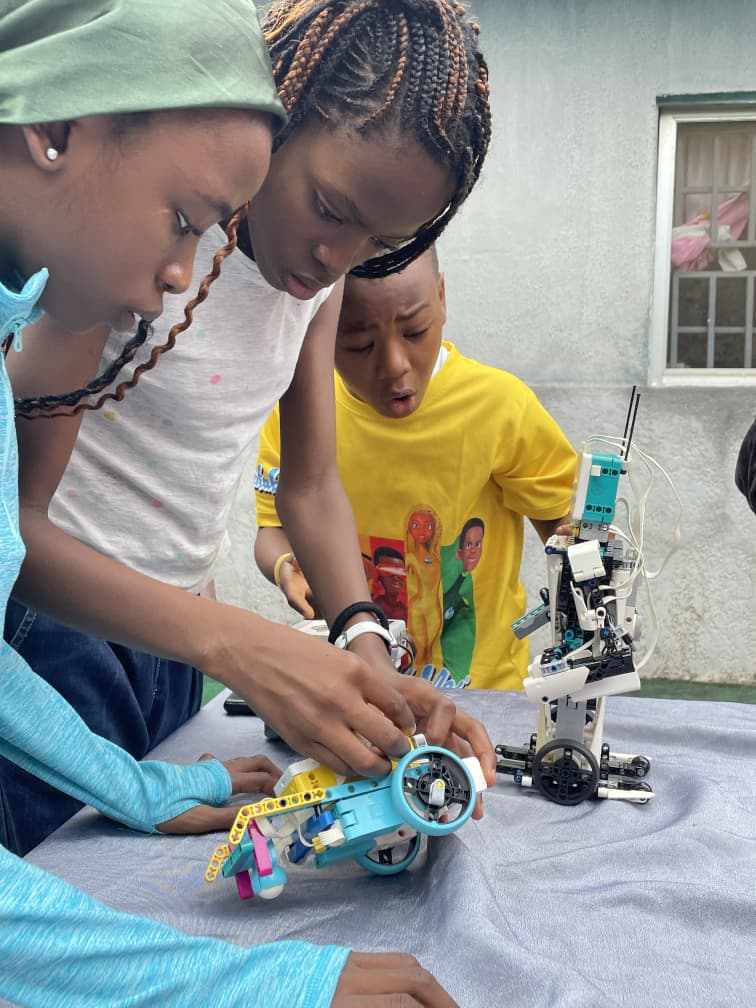

Every great invention starts with a simple idea — and often, those ideas come from problems we see around us every day. For young learners, especially those working with tools like the Micro:bit, finding project ideas doesn’t mean copying what others are doing. It means looking closely at your community, school, or environment and asking: What needs to change? What can I improve?
In this post, we’ll explore practical steps to identify project ideas in your community and show how you can turn them into impactful solutions.
1. Start with Observation
The first step is to pay attention to your surroundings. Entrepreneurs and innovators are great observers.
- Look at what people struggle with daily.
- Watch how students, farmers, shop owners, or families solve problems.
- Ask yourself: Is there a way technology can make this easier, faster, or better?
Example: If students always forget to turn off lights in class, you could design an automatic light control system using Micro:bit and sensors.
2. Listen to People’s Needs
Sometimes the best project ideas come from simply asking people what challenges they face.
- Talk to teachers about problems in the classroom.
- Ask parents about issues at home.
- Speak with community leaders or neighbors about local challenges.
Example: A farmer might tell you about crops drying out. That could inspire you to build a low-cost automatic irrigation system.
3. Focus on Everyday Problems
Don’t think you need a big idea to start. Small problems often lead to brilliant projects.
- Students struggling to remember homework → Build a reminder device.
- Too much traffic at school gates → Create a traffic light model.
- Class attendance being slow → Develop an automated attendance recorder.
The goal is to take something ordinary and improve it with creativity and technology.
4. Use the Micro:bit as a Tool for Solutions
The Micro:bit is versatile. Once you find a problem, ask yourself how this tool can help.
- Can it sense something (light, sound, movement, temperature)?
- Can it control something (motors, LEDs, alarms)?
- Can it communicate data (via Bluetooth or radio)?
Linking the Micro:bit’s features to real-world needs is how small ideas turn into powerful projects.
5. Test, Learn, and Improve
Once you pick an idea, start small. Build a basic prototype, test it, and improve as you go. Remember:
- Not every idea will work perfectly at first.
- Failure is part of innovation.
- Each attempt teaches you something new.
Even if your project doesn’t fully solve the problem, it could inspire the next step or spark a better idea.
Conclusion
Great project ideas don’t come from faraway places — they come from your own community. By observing, listening, and focusing on everyday problems, you can design creative solutions that make a real impact.
Whether it’s helping students in school, supporting families at home, or assisting farmers in the field, your innovation can start small but grow into something meaningful.
So, open your eyes, ask questions, and think big. The next problem you notice could be the foundation of your first entrepreneurial project.