
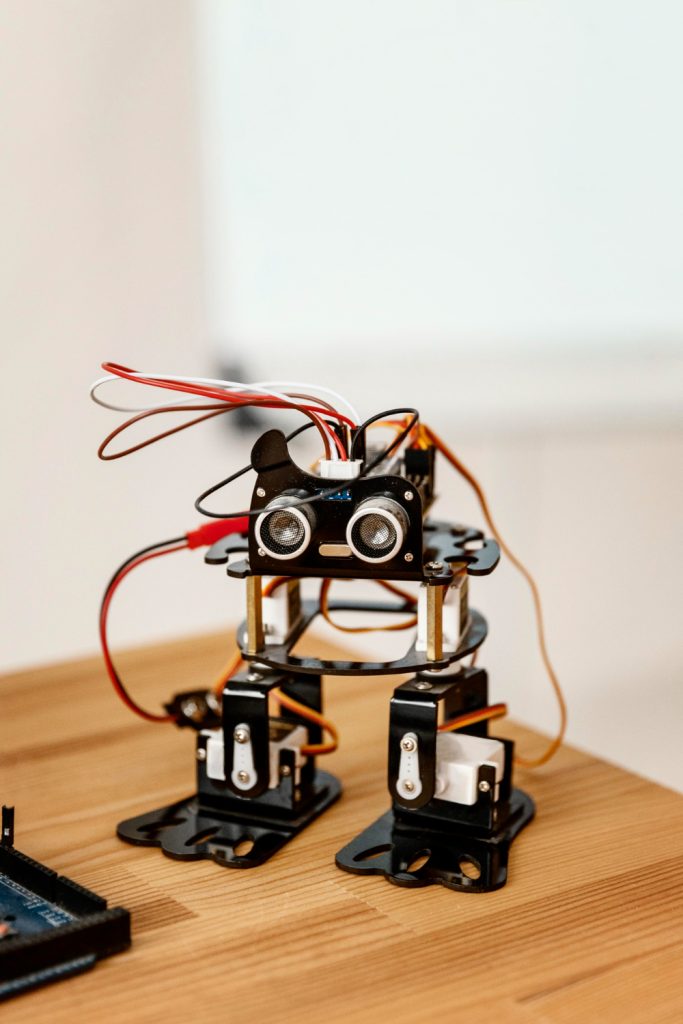
One of the biggest challenges for young innovators is not the lack of ideas but the lack of resources. You may already have brilliant solutions in mind, but without the right tools, materials, or funding, it can feel impossible to bring them to life. The truth is, entrepreneurship is not about waiting until everything is perfect — it’s about starting with what you have and learning to use it wisely.
In this post, we’ll explore practical ways to find resources for your projects and how to manage them so they produce the best results.
1. Start with What You Already Have
Before searching for outside support, take a look around you. Many times, we already have access to resources without realizing it.
- Old electronics (wires, batteries, motors) can be reused in robotics projects.
- Cardboard, plastic bottles, and scrap materials can be turned into chassis or housings for prototypes.
- Smartphones and laptops can be used for coding, research, or simulations before physical testing.
Entrepreneurship begins with resourcefulness — the ability to see potential in everyday items.
2. Work in Teams and Share Resources
Sometimes, the challenge is not that resources don’t exist, but that they are spread out. When students or innovators come together:
- Each person can bring different items (one brings wires, another brings batteries, another brings tools).
- Skills can also be shared as resources (a good coder can work with someone skilled in building hardware).
Collaboration makes resource gathering easier and projects stronger.
3. Look for Grants, Competitions, and Clubs
There are organizations that support young innovators with free kits, mentorship, or funding.
- STEM clubs in schools often provide shared kits like Micro:bits or robotics sets.
- Competitions like hackathons and science fairs sometimes give starter kits for participants.
- Grants and NGOs focused on education or technology often provide learning materials.
A good entrepreneur learns to identify these opportunities and make the most of them.
4. Use Free and Open-Source Tools
Not all resources are physical. Many times, the tools you need are software-based. Luckily, the internet is full of free platforms:
- MakeCode – A free online editor for coding the Micro:bit.
- Scratch & Tinkercad – Beginner-friendly platforms for coding and simulations.
- YouTube tutorials & online communities – Free knowledge shared by others.
These free resources can save costs while giving you powerful ways to test and learn.
5. Manage and Use Resources Wisely
Getting resources is one step, but learning how to use them effectively is what makes you stand out.
- Plan before using – Don’t waste materials. Sketch your idea first, then build.
- Recycle and repair – Don’t throw away parts that can still be reused.
- Document your use – Keep notes of what you used and how, so you can improve for the next project.
An entrepreneur’s strength is not in having unlimited resources but in maximizing limited ones.
Conclusion
Resources will always feel limited, but that should never stop you from innovating. Start with what you already have, work with others, seek opportunities, use free tools, and manage your materials wisely.
Remember: the greatest resource is your creativity and determination. When you learn to think resourcefully, even the simplest materials can become the foundation for powerful solutions.
The journey of entrepreneurship begins not with abundance, but with making the most of little — and that mindset is what transforms ideas into real impact.